
Cities & villages
How Small Town Clerks Can Reclaim 10 Hours Every Month
· 4 min read
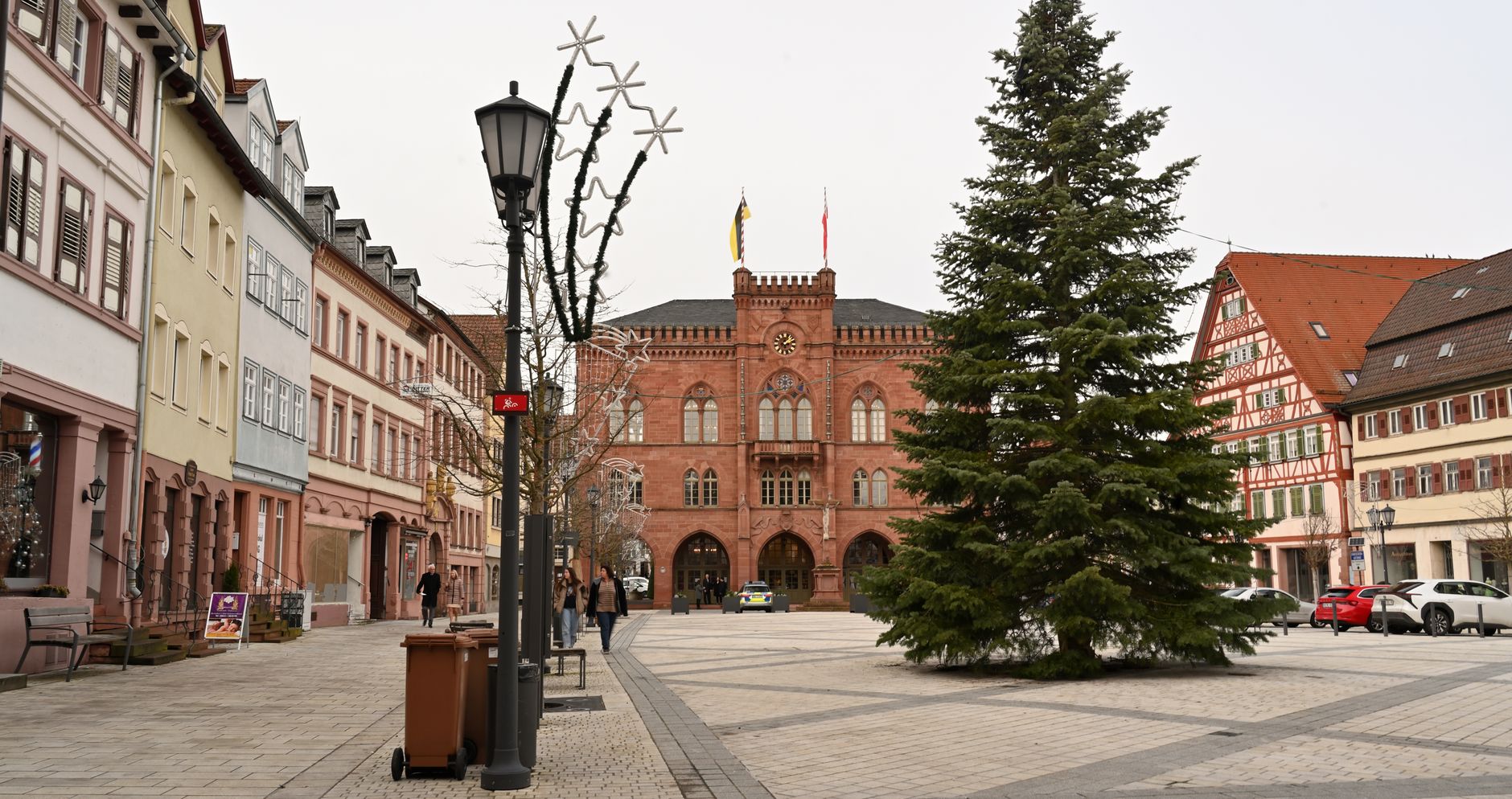
Photo by Gutjahr Aleksandr on Pexels
The Daily Reality for Small Town Staff
If you work in a village, town, or small city office, your job description is already long. On any given Tuesday, you might process licenses, answer utility billing questions, prepare meeting packets for the town board, and coordinate with the public works department. You took the role to serve your community and keep local government running smoothly.
Yet for many municipal clerks and administrators, an unexpected duty swallows hours of every week: managing the local website. What starts as a simple task like posting a meeting agenda often turns into an afternoon of fighting with rigid software, fixing broken layout alignment on phone screens, or clearing strange error messages.
Your time is far too valuable to spend acting as an unpaid tech support team. Here is how small municipal teams can reclaim dozens of hours each month by rethinking how their website gets managed.
Where the Hours Actually Go
When a municipal site relies on office staff to perform continuous upkeep, time leaks out in small, frustrating ways:
- Formatting documents and notices: Turning meeting agendas, approved minutes, and public hearing notices into clean online pages often takes twice as long as writing them.
- Fixing broken layouts on phones: More than half of your residents check municipal updates from their mobile devices. Trying to make tables, phone numbers, or public notices look right on a small screen can require endless trial and error.
- Fielding phone calls from confused residents: When information is buried or out of date, residents pick up the phone. A clear, well-organized site reduces the daily volume of routine inquiries at the front desk.
- Worrying about maintenance and accessibility: Ensuring public records meet accessibility standards for residents with visual impairment creates persistent background stress.
Three Ways to Win Your Time Back
1. Separate Content from Construction
Municipal staff know their town policies, schedules, and announcements better than anyone. However, knowing what needs to be said is completely different from knowing how to construct web pages. When clerks are forced to double as web designers, productivity slows down.
The most effective change a small government can make is separating information creation from technical construction. Staff should simply draft text and share public records, while experts handle the technical formatting and layout behind the scenes.
2. Make Public Information Effortless to Find
Residents rarely browse a city site for fun. They come with a specific question: When is leaf pickup? How do I pay my water bill? Where is the plan commission meeting tonight?
When your site is built clearly, residents find their answers in seconds. Today, people routinely ask their phone or digital assistants for local answers. Setting up your site so these tools can quickly read and answer resident questions keeps your phones quiet and your residents informed.
3. Pass Off the Technical Upkeep Entirely
Keeping a site safe, fast, and accessible for everyone requires constant attention. Expecting a small staff to track public accessibility guidelines or perform routine system updates is impractical.
By moving to a fully-managed service, you transfer all maintenance, design work, and safety checks to a dedicated team. That is where Mainfolk comes in. We build and maintain custom websites for small towns and villages so local officials never have to touch complicated tools or worry about technical glitches again.
How Fully-Managed Service Changes Your Workday
Imagine a world where updating your town site takes thirty seconds. When a water main break occurs or a public hearing notice needs posting, you simply email the details. A professional team formats the text, ensures it displays properly on every smartphone, checks that it meets accessibility standards, and publishes it immediately.
When you need to make changes, you do not have to struggle with passwords, complex menus, or software updates. Everything is taken care of for you.
At Mainfolk, we believe public servants should spend their time serving the public, not troubleshooting websites. We build your site from scratch and handle every update, graphic edit, and technical detail for as long as you are with us. Every plan includes complete design, updates, and continuous care with no hidden setup fees—everything included for one flat price, with plans starting free and paid options like Launch at $15/month and Pro at $29/month.
A Better Outcome for Your Community
When small local governments shed the burden of site maintenance, the whole town benefits. Meeting notices are published faster, residents get clear answers on their phones without calling city hall, and municipal clerks get hours of valuable time back every single week to focus on the work that truly matters.
Free download: grab our city or village website checklist — the short, plain-English list of what your site needs to get found and bring in calls. No cost, no obligation.
Common questions
How does a managed website service work for a small village or town?
Instead of spending time updating pages yourself, you send your notes, agendas, or announcements to a dedicated team who handles all formatting, publishing, and technical upkeep for you.
How quickly can meeting agendas and emergency notices be published?
Updates are published promptly as soon as you send them over, ensuring your residents stay informed without placing extra work on municipal staff.
Will residents be able to find local information easily on their phones?
Yes, your site is designed to look clear and function smoothly on mobile devices, and is structured so people can find answers on search engines or through voice assistants.