
Churches
How Churches Can Be Easier to Recommend in AI Answers
· 6 min read
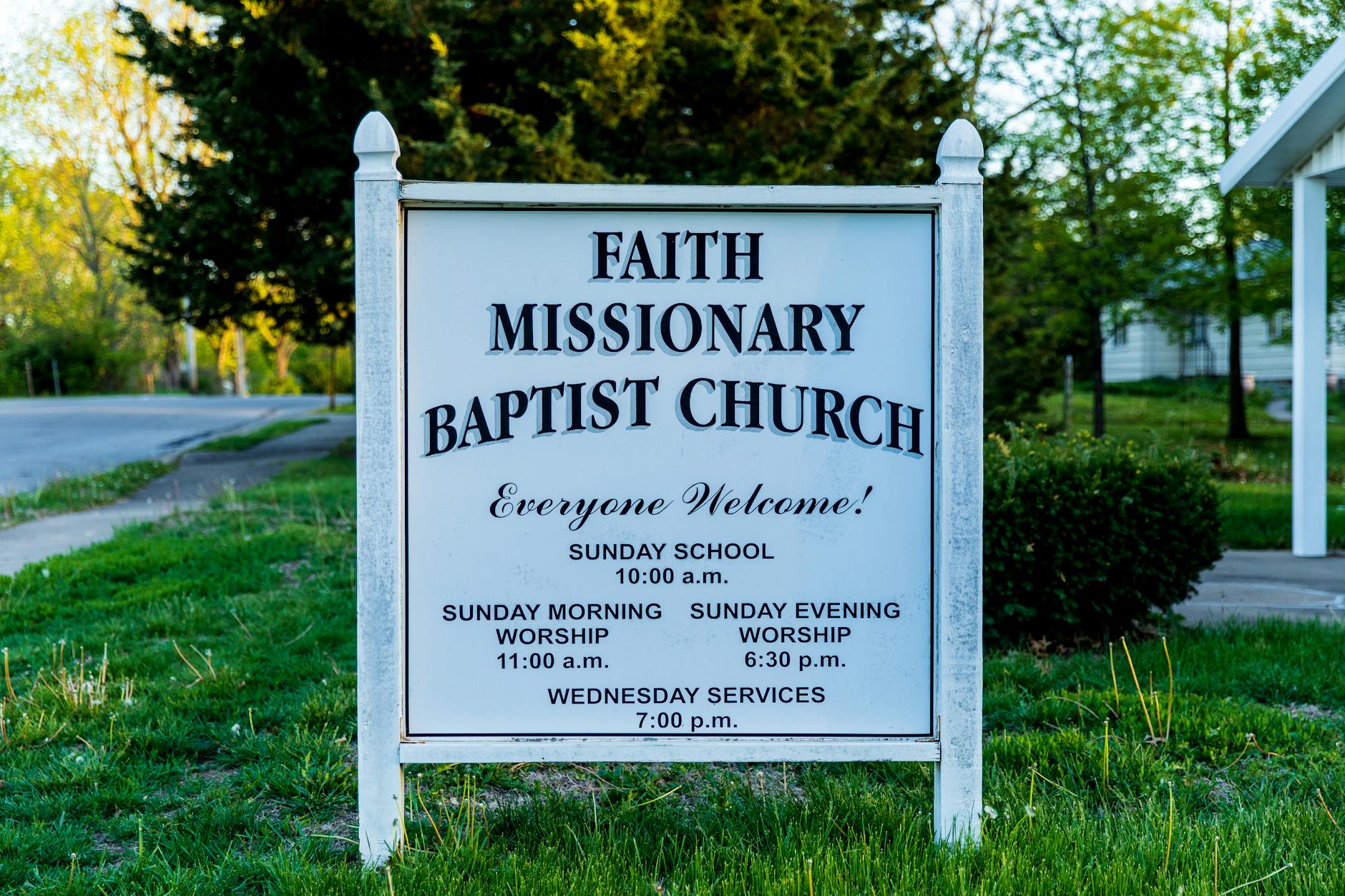
Photo by Stephen Fuller on Pexels
Help people get the right answer when they ask for a church
More people now ask a phone or AI assistant questions like, “What church near me is welcoming to families?” or “Which church has Sunday service at 10 a.m.?” If your website gives a clear answer, your church is easier to mention, easier to understand, and easier to visit.
The goal is simple: when someone is looking for a place to worship, they should be able to hear the basics right away. That means fewer missed visits, fewer calls asking for the same details, and fewer people giving up because the information was hard to find.
For churches, this matters because most people are not just looking for a building. They are looking for a first step: service time, where to park, what to expect, and whether their family will feel welcome. If those answers are clear on your site, they are easier for AI tools to repeat correctly.
Write the answers people ask most often
Do not make people search around for the basics. Put the most asked questions in plain language on one easy page.
- What time are Sunday services?
- Where are you located?
- Is there a children’s program?
- What should I wear?
- How do I contact the church?
Use the same words a visitor would use. If your church is often asked about “youth group,” “nursery,” or “parking,” say those exact words on the page. An AI answer is more likely to quote you correctly when your site uses the same language people use in real life.
A simple example: if someone asks, “Is there a church near downtown with a 9:30 service and kids’ classes?” an AI assistant can only help if your site clearly says whether you have those things. If that information is buried in a long bulletin PDF or spread across several pages, it is easier to miss.
Keep one clean page for first-time visitors
The most useful page for this is often a short “Plan Your Visit” page. It should answer the questions a first-time guest would ask before walking through the door.
Include:
- service times for each day
- your address and a simple landmark if helpful
- where to park and where to enter
- what happens during the service
- children’s ministry details
- a phone number or email for questions
Keep the page simple enough that a busy parent, a new resident, or an older adult can scan it in a minute. That same clarity also helps AI tools pull out the right details when someone asks for a church recommendation.
Think of your website as the person answering the phone for you. If that person sounds calm, clear, and helpful, more people will feel ready to visit.
Use names and details consistently
AI tools can get confused when the same thing is described in different ways. If your church is called “First Baptist Church of Oak Hill,” use that name the same way across your site. If your Sunday morning service starts at 10:00 a.m., do not list it as 10, 10 a.m., and 10:00 AM in different places.
Consistency also helps with location details. Make sure your address, phone number, and service times match everywhere they appear on your site. If your church meets in a school or shared space, say that clearly and include the full address. Small differences can lead to wrong answers.
This is one reason many churches choose a service like websites for churches and ministries: it keeps the important details in one place and keeps them current without adding extra work for staff or volunteers.
Answer the next question before they ask it
People who are searching for a church usually have one question after another. If you answer the next one in advance, you make it easier for them to keep going.
For example:
- If you say you have a nursery, say what ages it covers.
- If you welcome children in worship, say whether families sit together.
- If you have a casual dress code, say that plainly.
- If you offer communion, say when and who is welcome.
These small details help a search tool give a better answer, but more importantly they help a real person feel less nervous about visiting. A better answer means a better chance they will show up.
Make contact easy, not hidden
Some people will still want to ask a question before they come. Give them one clear way to do that. Do not make them hunt through a menu or guess which form to use.
A church website should make it easy to reach someone for:
- general questions
- prayer requests
- wedding or funeral inquiries
- volunteer and ministry questions
If a church makes contact simple, more people actually follow through. That means more visitors, more families getting connected, and fewer chances lost because the next step was unclear.
A simple test you can do this week
Open your church website and imagine you are asking an AI assistant for help. Read the page out loud and ask:
- Can someone tell when and where we meet in less than 10 seconds?
- Would a new visitor know what to expect?
- Are our service times and contact details written the same way everywhere?
- Would a person who has never visited feel comfortable enough to come?
If the answer is no to any of those, that is the first thing to fix. The good news is that small changes often make a big difference.
For churches that want this handled without extra work, Mainfolk builds and keeps church sites current so the important information stays clear, useful, and easy to find.
What to focus on first
If you only improve three things, make them these:
- clear service times and location
- a simple page for first-time visitors
- consistent wording across the site
That is enough to help more people get accurate answers when they ask a phone or AI assistant about your church. And when the answer is clear, the next step becomes much easier: a visit, a call, a prayer request, or a new family finding their church home.
Free download: grab our church website checklist — the short, plain-English list of what your site needs to get found and bring in calls. No cost, no obligation.
Common questions
How does a church website help AI assistants answer correctly?
When your service times, address, and visitor details are written clearly and consistently, AI tools can repeat them more accurately. Clear wording gives them less room to guess.
What should a church put on the homepage for first-time visitors?
Put service times, location, what to expect, and how to contact someone. Those are the details most people want before they decide to visit.
Do we need a long website to be found in AI answers?
No. A short, clear site often works better than a large one with scattered information. The key is making the main facts easy to find and easy to read.