
Churches
How Someone Searching "church near me" Actually Finds You
· 4 min read
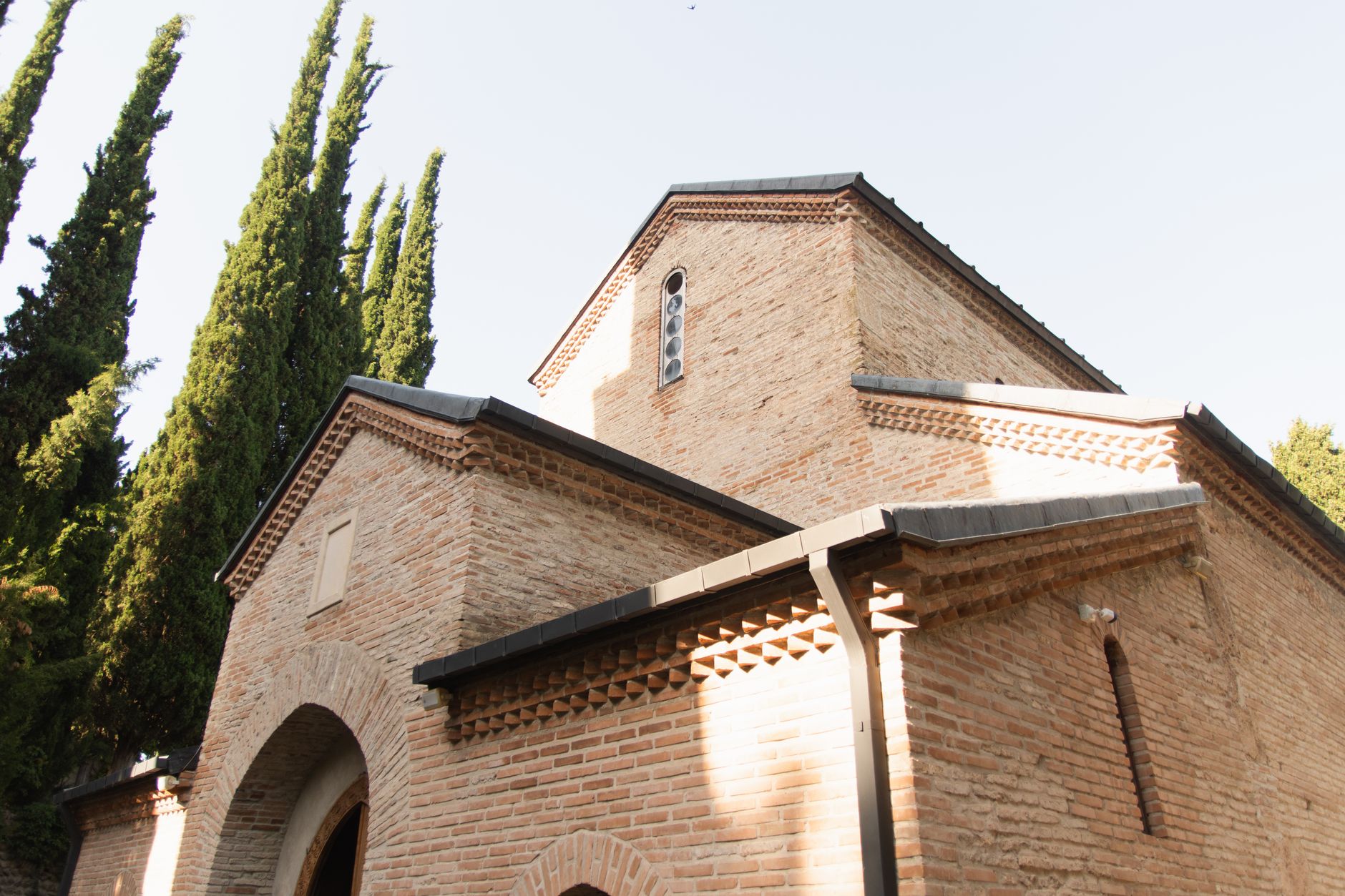
Photo by Алексей Вечерин on Pexels
Someone new to town, or someone who just decided this is the year they go back to church, picks up their phone and types "church near me." What happens next decides whether they end up in your pews or someone else's.
This isn't about tricks. It's about a handful of everyday things that, done well, put your church in front of the people already looking for a place like yours.
What "church near me" really means to a search engine
When someone searches that phrase, they're usually looking for three things: a church that's actually close to them, one that's open when they can go, and one that feels like a fit before they ever walk in the door. Google and phone assistants try to match all three.
That means your address, your service times, and the feeling someone gets from your website all matter more than most churches realize.
Get the basics right first
Before anything fancy, make sure these are true and easy to find:
- Your address is listed the same way everywhere — your website, your Google listing, your Facebook page.
- Your service times are current and easy to spot, not buried in a newsletter from three months ago.
- Your phone number and a real person who answers it are both current.
- Your website loads quickly on a phone, since that's how most people are searching.
Small inconsistencies, like an old address still floating around online, quietly cost you visits. Someone shows up to the wrong building once and they may not try again.
Say what you actually are, in plain words
Search engines and AI assistants are good at matching intent to words. If someone searches "church with a nursery" or "Spanish-speaking church near me" or "church that helps with groceries," your website needs to actually say those things somewhere, in normal language.
Don't make people guess from a mission statement. If you have a nursery, say "we have a staffed nursery for babies and toddlers." If you serve a specific neighborhood or run a food pantry, say that plainly on your homepage or an about page. This is the single most overlooked piece of getting found by the right people — not more visibility, but visibility for the right words.
Your Google listing matters as much as your website
Many people never click through to a website at all. They see your name, hours, photos, and reviews right in the search results and decide from there. Claim your free listing if you haven't, keep the hours accurate, add a few real photos of your building and your people, and gently encourage members to leave honest reviews. A handful of warm, specific reviews ("felt welcomed the moment we walked in") does more than any slogan.
New content tells search engines you're active
A church website that hasn't changed in two years quietly signals "maybe this place closed." You don't need a blog. Posting your sermon series, an upcoming event, or a simple update after a service project shows both visitors and search engines that your church is alive and active right now.
This is one reason a website built specifically for a church or ministry tends to help more than a generic one — it's set up so updating a sermon note or event doesn't require a technical person on staff.
Think about the whole first visit, not just the click
Getting found is only step one. Someone who finds you at 9pm on a Tuesday, worried about visiting somewhere new, wants quick answers: What should I wear? Is there parking? What's it like for kids? A website that answers those plainly, in a calm and welcoming tone, turns a search into an actual visit far more often than one that only lists a mission statement and a donate button.
None of this requires a big budget
These are mostly decisions and small updates, not expensive projects. When a church does want the technical pieces handled — the site kept fast, accurate, and easy to update without anyone learning anything new — Mainfolk builds and maintains that for one flat monthly price with everything included, so the staff and volunteers can stay focused on people instead of on a website.
Free download: grab our church website checklist — the short, plain-English list of what your site needs to get found and bring in calls. No cost, no obligation.
Common questions
Do we need to pay for ads to show up when people search for a church near them?
No — most churches show up through their free Google listing and website content, not paid ads; accuracy and clear, plain-language content matter more than budget.
How often should we update our website for it to show up well in search?
Even small, regular updates like new service times or a recent event help; a site that never changes can look inactive to both visitors and search engines.
What's the single biggest thing that keeps a church from showing up in local search?
Inconsistent or outdated information, like an old address or wrong hours listed in different places, is the most common and easiest fix.