
Cities & villages
A Town Website Residents Can Use Without Friction
· 5 min read
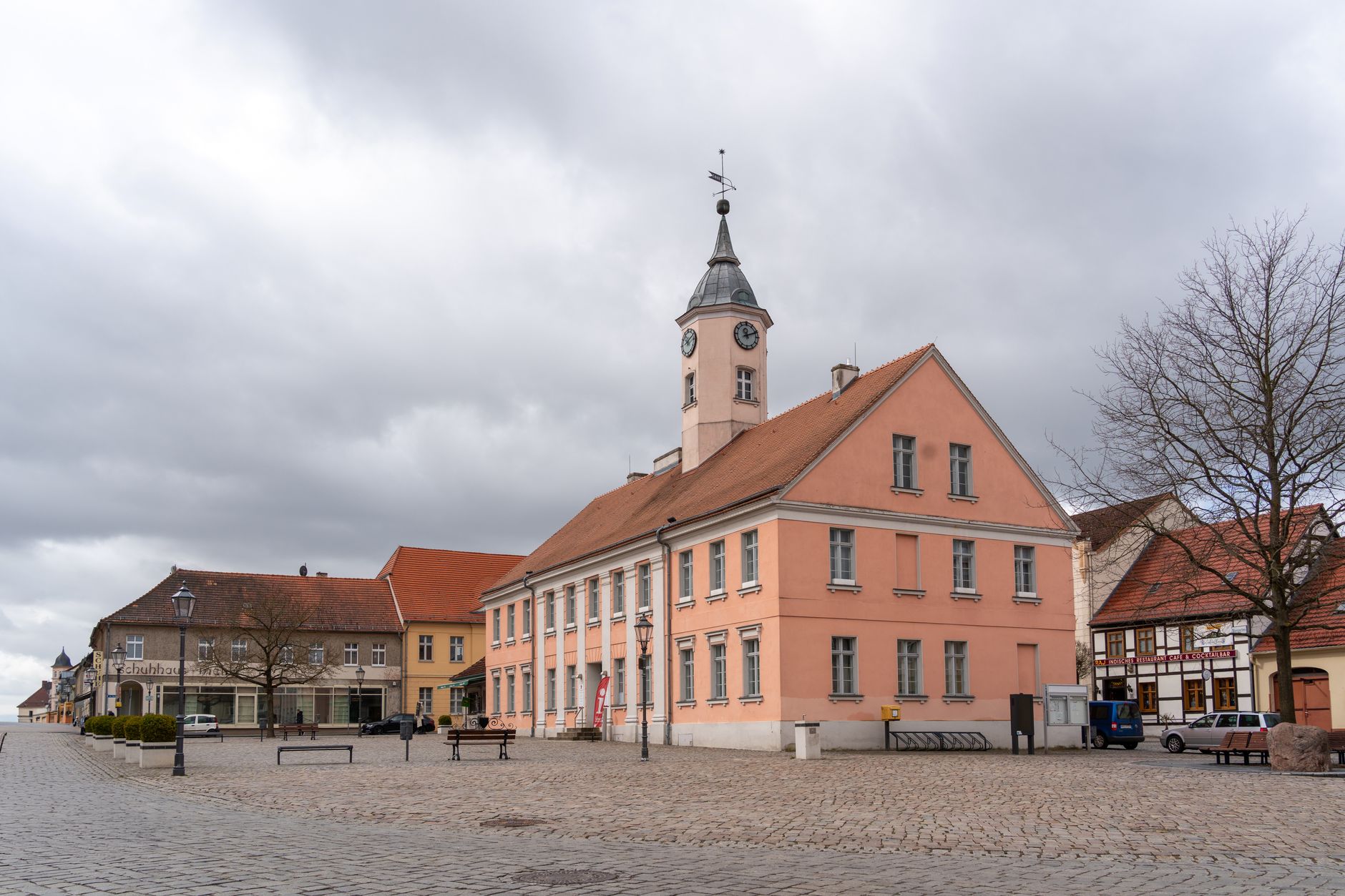
Photo by Gundula Vogel on Pexels
Give residents a site they can trust, without adding work for staff
For a small city, village, or township, a website should do more than look official. It should help people find what they need quickly, feel confident their information is accurate, and let your staff focus on public service instead of website chores.
That matters most when someone is looking for a trash pickup change, a permit form, a meeting notice, or a phone number after hours. If the site is hard to read, out of date, or unclear on a phone, people call the office, leave frustrated, or miss the information entirely. A well-run municipal website prevents that.
The goal is simple: fewer confused calls, fewer missed notices, and a calmer experience for residents and staff alike.
Start with the pages people use most
Peace of mind begins with the everyday information residents need most. These are the pages that should be easy to find from the home page and easy to read on a phone:
- Trash and recycling schedules
- Meeting dates, agendas, and minutes
- Paying water, sewer, or tax bills
- Permits and forms
- Road closures, weather alerts, and emergency notices
- Department phone numbers and office hours
When these pages are current and organized well, your site becomes a dependable front desk for the whole community. Residents can get answers any time, and your staff does not have to repeat the same basic information all day.
Make it easy for everyone to use
A trusted municipal website should work for the widest possible range of people: older residents, busy parents, people using a phone, and people with limited vision or hearing. That means large, clear text, simple wording, strong contrast, and forms that are easy to complete without frustration.
It also means the site should be built so people can move through it without getting lost. A resident should not have to guess where meeting minutes live or scroll through a long page to find one form. Clear labels and short pages save time for everyone.
When residents can find the right information in a minute instead of making a phone call, your office gets fewer interruptions and the public gets a better experience.
Keep important information current without relying on memory
The biggest trust problem on many municipal sites is not design. It is stale information. An outdated holiday schedule, old board member list, or expired alert can make the whole site feel unreliable.
That is why the site should be kept up to date for you. If your team has to remember what needs changing every time a meeting date shifts or a notice goes out, things get missed. A managed approach removes that burden. Updates are handled for you, so the public sees the right information and staff does not have to babysit the site.
This is especially valuable for small offices where one person may already be handling phones, emails, front desk questions, and public notices. A service like municipal websites for cities, villages, and townships can take that ongoing work off your plate so your team can stay focused on residents.
Security should reduce worry, not add another project
Security is really about confidence. You want to know the site is protected, that forms and information are handled responsibly, and that a problem will not turn into a bigger public mess. For a small local government, that peace of mind matters because even a short outage or a broken page can create calls, confusion, and concern.
A secure site also helps protect your reputation. Residents may not notice when everything is working, but they do notice when a page looks broken, a notice is missing, or something feels unsafe to use. Keeping the site maintained and watched over means fewer surprises and less risk of public frustration.
Why this matters for trust
Residents judge a local government website by small moments. Can they find the right office? Does the notice look current? Does the page work on a phone? Does the site feel calm and official, or confusing and neglected?
Those small moments shape trust. A site that stays current and works well tells people their local government is organized, attentive, and easy to deal with. That can lower complaints, reduce repeated calls, and make public information feel dependable.
For many small towns, this is where a managed service makes sense. Mainfolk builds, keeps up, and hosts the site so the work does not land on your staff every time something changes. Plans start free, and paid plans are one flat monthly price with everything included: Launch is $15/month and Pro is $29/month.
A simple standard for your next municipal site
If you are deciding what “good” should look like, use this practical checklist:
- Residents can find top tasks in one or two clicks
- Pages are easy to read on a phone
- Forms and notices are current
- Important information is written in plain language
- The site is cared for regularly, not only when something breaks
- Staff does not have to remember every update themselves
That is the kind of site that earns trust over time. It helps people help themselves, reduces avoidable calls, and gives your team one less thing to worry about.
Free download: grab our city or village website checklist — the short, plain-English list of what your site needs to get found and bring in calls. No cost, no obligation.
Common questions
How does a better town website reduce calls to the office?
When residents can quickly find meeting times, forms, and department contacts, they do not need to call just to get basic information. That saves staff time and makes the public experience smoother.
What should a small municipality update most often?
Meeting notices, office hours, trash schedules, permits, alerts, and staff contact information are the most important. These are the pages residents rely on most, so keeping them current builds trust.
Why is ongoing upkeep so important for a local government site?
An outdated site can confuse residents and make the office look less organized. Ongoing upkeep keeps information accurate and gives people confidence that they can rely on what they see.