
Fire departments
How Fire Departments Can Save Time With a Fully Managed Website
· 6 min read
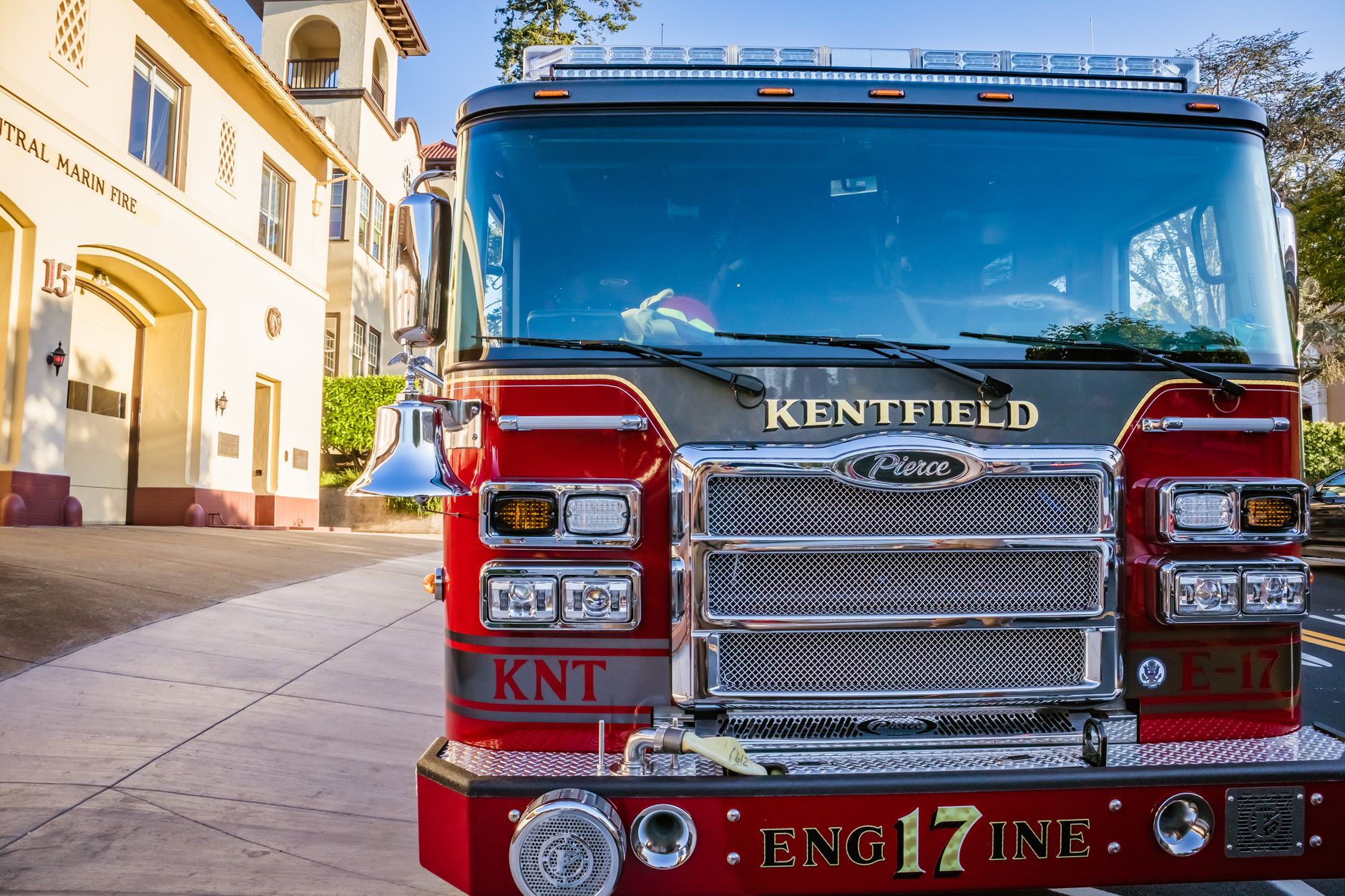
Photo by Robert So on Pexels
Give your team back the hours a website can quietly take away
For a volunteer or career fire department, the problem is often not the website itself. It is the time it keeps stealing. One old phone number, one new station photo, one meeting notice, one burn ban alert, one staff change — and suddenly someone on your team is spending an hour here, an hour there, trying to keep the site accurate.
That adds up fast. And because fire service work does not wait, those little website jobs usually land on the same people who are already handling calls, training, inspections, public education, or admin work.
A fully managed website can give that time back. The goal is simple: your department gets a site that stays current without someone on your team having to babysit it.
What usually eats up time on a fire department website
Most small departments do not need a fancy online presence. They need a reliable one. But even a simple site can become a steady drain when it is treated like another task for staff or volunteers.
Common time-wasters include:
- Changing officer names after elections or promotions
- Posting board meeting dates and agenda changes
- Updating hiring notices, volunteer recruitment info, or application forms
- Replacing outdated station hours, contact numbers, or service areas
- Adding burn ban notices, public safety alerts, and seasonal reminders
- Fixing broken pages when something changes
Each one looks small. Together, they can turn into a regular chore that no one asked for but everyone feels.
The real time savings come from fewer handoffs
When a site is fully managed, the biggest win is not just that the pages stay up to date. It is that your team does not have to figure out how to update them.
Instead of asking a staff member or volunteer to log in, remember where things live, and make the change themselves, they can simply send the update to someone who handles it for them. That means:
- Less time learning website steps
- Fewer small tasks sitting unfinished
- Less risk of old information staying live
- Less pressure on one person to “own” the site
For a small department, that matters. If your admin assistant, chief, or volunteer secretary spends 30 to 60 minutes a week on website upkeep, that can easily become dozens of hours a year. Those are hours better spent on public notices, records, training, or community service.
A practical example: the spring alert season
Think about spring, when departments often need to share burn rules, wildfire prevention messages, meeting changes, recruitment pushes, and event details for the community.
On a site that is not managed for you, those updates may be spread across different people. One person has the message, another has the photo, a third knows the deadline, and nobody is quite sure who is supposed to post it.
That is where delays happen. A safety notice goes up late. A recruit never sees the application deadline. A resident calls the station because the event details were wrong online.
With a fully managed site, those updates are handled as part of the service. If you need a change, you send it in and keep moving. Fire departments and fire protection districts can use that approach to keep their site current without turning it into another duty shift.
What to look for if time is your biggest problem
If you are trying to reduce the website burden, do not start by asking what looks impressive. Start by asking what removes work from your plate.
A useful website setup for a fire department should help with these everyday needs:
- Fast edits for routine changes so new contact details, meeting notices, and alerts do not sit waiting.
- One clear point of contact so staff and volunteers are not figuring out who handles the site.
- Simple support for updates so people can send changes without learning a system.
- Reliable upkeep so old pages and outdated details do not pile up.
- Clear visitor information so the public can quickly find what they need and make fewer phone calls.
That last point matters more than many departments realize. If people can easily find forms, station details, recruitment information, and contact numbers online, your team gets fewer repeat calls asking for the same basics.
How Mainfolk fits this kind of work
Mainfolk is built for organizations that need a site to stay useful without adding more work for staff or volunteers. For a department that is already stretched thin, that can mean fewer little website jobs landing on the same few people every week.
The value is not just having a site. It is having one that is looked after for you, kept current, and easy for the public to use. That matters when your team needs to focus on calls, coverage, training, and service instead of chasing page updates.
If budget is part of the decision, it helps that the pricing is straightforward: plans start free, and paid plans are one flat monthly price with everything included, no setup fees, no contracts, and no surprise bills. You can see it here: pricing.
A simple test: count the website chores from the last month
If you are not sure whether your current site is costing too much time, try this quick check.
- How many times did someone need to update the site?
- How many of those changes were delayed?
- How often did staff answer calls because online information was outdated?
- How many people on your team know how to make changes?
If the answer shows the same few people doing repeated work, that is a strong sign your site should be doing more of the heavy lifting.
For a fire department, the best website is the one that keeps public information current without becoming another job on your list.
That is where the time savings really come from. Not from a bigger site. Not from a flashier one. From a site that stays accurate, reduces repeat work, and lets your team stay focused on the work people are counting on you to do.
That is the kind of result Mainfolk is built to support.
What good upkeep should feel like
When the system is working well, your team should notice something simple: the website stops needing attention every week. Updates still happen, but they are handled without friction, and the site keeps serving the public without pulling your people away from the station, the office, or the field.
That is the real win. More time for fire service work. Fewer small interruptions. Less strain on a small team.
Free download: grab our fire department website checklist — the short, plain-English list of what your site needs to get found and bring in calls. No cost, no obligation.
Common questions
How does a managed website save a fire department time?
It removes the need for your staff or volunteers to make routine updates themselves. That means fewer small tasks, fewer delays, and less time spent fixing old information.
What website updates usually need the most attention?
Meeting notices, contact details, officer names, recruiting info, alerts, and event changes are the most common. These are the updates that tend to pile up when no one has time to handle them.
Can a small volunteer department really benefit from this?
Yes. Smaller teams often feel the biggest difference because a few people usually carry most of the admin work. Even a small reduction in website chores can free up a lot of time over a year.