
Fire departments
How a Fire Department Website Pays for Itself
· 5 min read
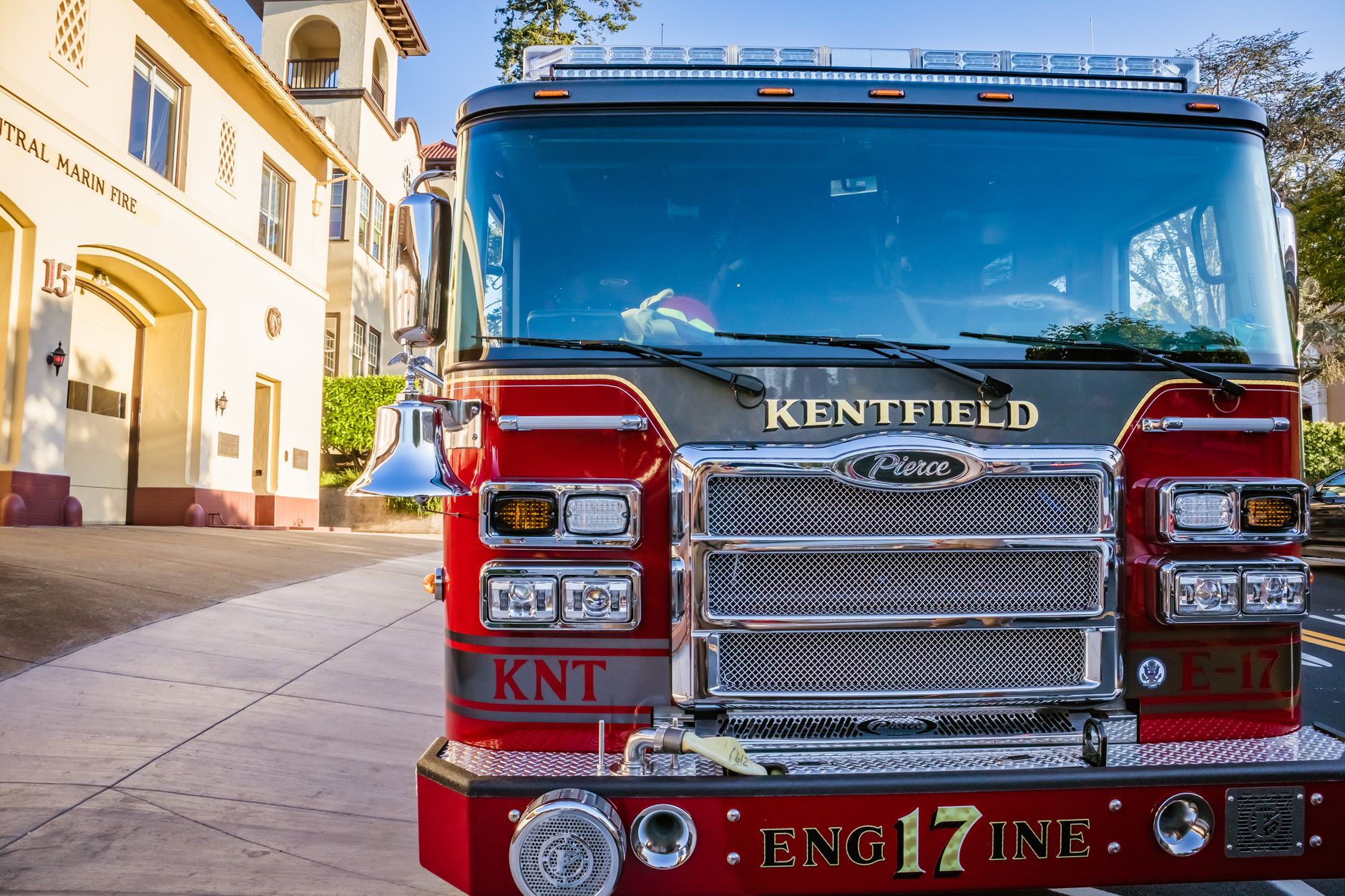
Photo by Robert So on Pexels
A good website should help your department in ways you can count
For a fire department or fire protection district, a website is not just an online brochure. It can save staff time, help residents reach the right number faster, and make it easier for people to take the next step when they want to serve.
That is the real return: fewer missed calls, fewer repeated questions, more trust, and more people who know how to contact you before there is an emergency.
When the site does its job well, it keeps paying you back week after week. A resident finds the burn ban notice without calling the station. A parent finds the open house date. A volunteer sees what training is needed and applies. Those small moments add up.
Where the payoff usually shows up first
Most departments feel the return in a few very practical places.
1. Fewer phone calls for routine questions
Every day, someone wants the same basics: office hours, permit forms, burn restrictions, meeting dates, or how to request a station visit. If that information is easy to find, your crew spends less time answering the phone and more time doing the work that matters.
That may not sound dramatic, but it matters. Ten fewer repeat calls a week is time back for your staff or volunteers. Over a year, that is a lot of interruptions gone.
2. More volunteer interest from people who were already looking
Many good volunteers never walk through the door first. They start by searching for a local department, then look for the steps to join. If your site clearly explains what service looks like, what the time commitment is, and who to contact, more people will follow through.
That is especially important for departments that struggle to keep applications coming in. A simple page with honest next steps can turn quiet interest into actual recruits.
3. Better trust during weather, closures, and emergencies
During a storm, a road closure, a brush fire, or a boil advisory tied to your district, people want fast answers. If they know your website is current, they will check it first. That can reduce confusion and help keep the public calm.
Even when the news is not urgent, a current site tells people your department is organized and dependable. That builds confidence before they ever need you.
A simple way to think about return on investment
If your department spends money on a website, ask what it gives back in a month.
- How many staff hours are saved by posting common answers online?
- How many more volunteer leads come in because the join page is clear?
- How many fewer missed chances happen because residents can find alerts, forms, or contacts quickly?
Even one extra volunteer, one saved grant hour, or one avoided mix-up can justify the cost when the site is done right.
That is why a fire department website should be judged by use, not just looks. A clean design is helpful, but the real value is whether it gets residents to the right place and makes your job easier.
Why honest all-in pricing matters for departments
Many departments have to plan carefully. Budgets are tight, boards want clear numbers, and nobody has time for surprise charges.
That is why simple, all-in pricing is easier to defend. When you know the monthly cost up front, you can budget with confidence and avoid extra bills for routine updates, edits, or help. Mainfolk offers public pricing with everything included for one flat price, starting free and then Launch at $15/month and Pro at $29/month.
For a department, the point is not just saving money. It is knowing what you are paying for and knowing it will keep working without adding more paperwork or more vendor calls.
What a useful fire department site should make easy
If you are deciding whether your current site is worth the effort, look for these basics:
- Emergency and non-emergency contact information that is easy to find
- Burn bans, alerts, and current news in plain language
- Volunteer or recruitment information with simple next steps
- Meeting dates, station events, and community outreach details
- Forms, permits, and common requests that do not require a phone call
If those things are hard to update, the site stops helping. If they are easy to keep current, the site becomes a working tool instead of a static page.
What this looks like in real life
Picture a district that gets dozens of calls every month asking about burn rules, open burn days, or how to apply to join. A clear website can handle most of that before the phone rings. Now picture one more college student, parent, or retired firefighter finding the join page and deciding to apply because the steps were simple. That is direct value.
Or think about a community meeting after a bad storm. People are looking for road updates, station information, and who to call with damage reports. If they can find answers quickly, they are less frustrated, and your team is not stuck repeating the same details all evening.
That is the kind of return a good site should deliver. It should reduce friction for the public and reduce busywork for your crew.
How Mainfolk fits that need
For departments that want a site built and kept current without adding more work for staff or volunteers, Mainfolk is set up for that kind of ongoing support. The goal is simple: a site that helps your community find what it needs and helps your department spend less time chasing website chores.
A useful fire department website does not just look official. It helps the public act quickly, helps volunteers step forward, and gives your team time back.
If your current site cannot do that, it may be costing more than it should — even if the monthly bill looks small.
Free download: grab our fire department website checklist — the short, plain-English list of what your site needs to get found and bring in calls. No cost, no obligation.
Common questions
How does a fire department website save money if it costs money each month?
It saves time by answering repeat questions, reducing phone calls, and helping more people find the right information on their own. That time back often matters more than the monthly bill.
What information should a fire department website make easy to find?
People should be able to find contact details, burn rules, alerts, meeting dates, volunteer information, and common forms without digging around. If it is hard to find, the site is not pulling its weight.
Why does flat monthly pricing matter for a fire district?
It makes budgeting easier because there are no surprise bills for routine help or updates. That matters when every dollar and every board meeting count.