
Cities & villages
How a City Website Pays for Itself
· 5 min read
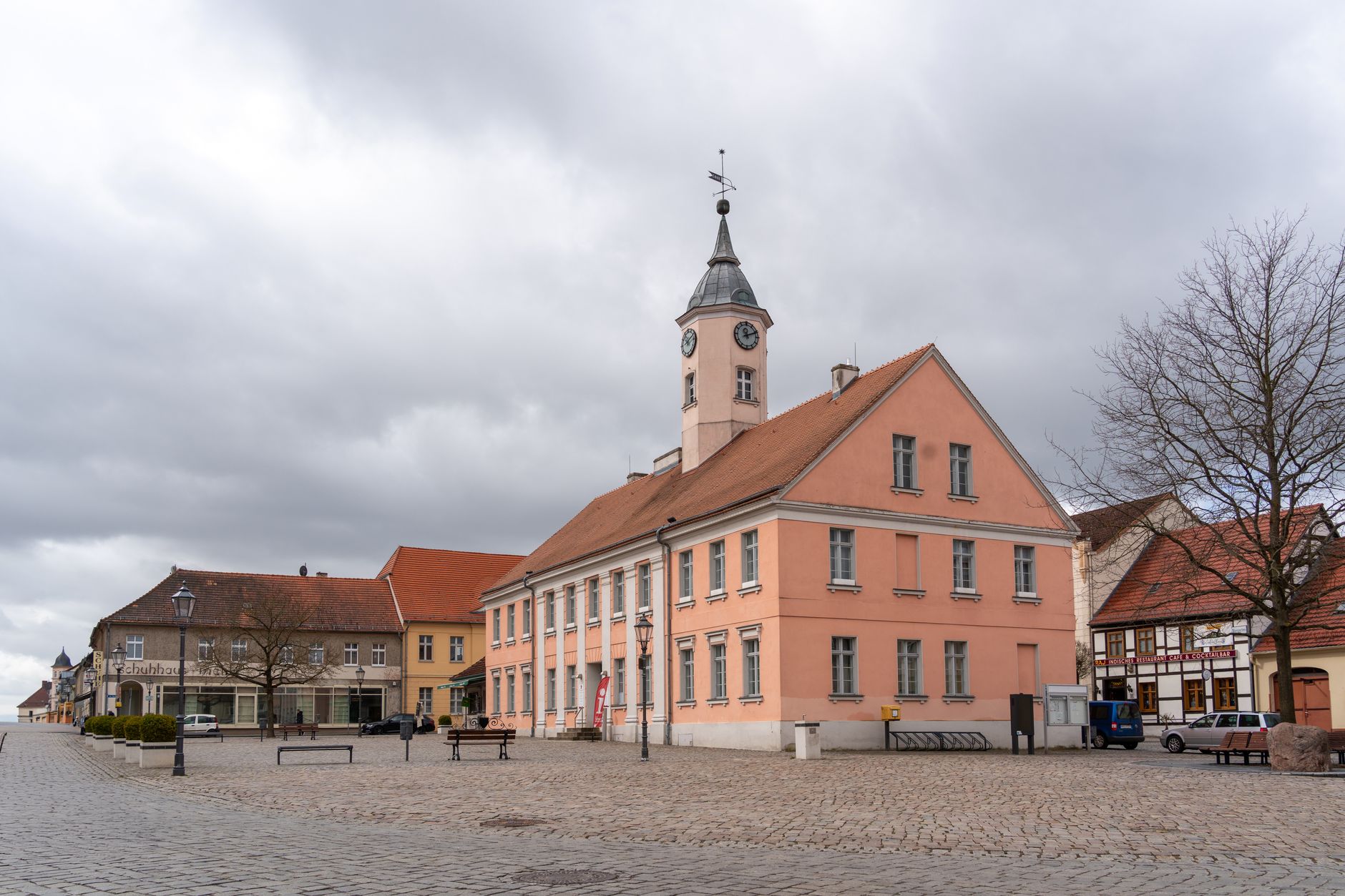
Photo by Gundula Vogel on Pexels
A good city website should save time and bring in results
For a small city, village, or township, a website is not just an online brochure. It can quietly cut phone calls, reduce repeat questions, and help residents find what they need without waiting on staff. That means fewer interruptions at the front desk and more time for the work that actually keeps your community running.
The real return shows up in simple ways: a resident finds trash pickup dates without calling, a new family finds park rules before moving in, or a contractor gets the permit form on the first try. Those are small wins on their own, but together they save hours every week.
Where the value usually comes from
The biggest payoff for local government websites usually comes from the same few places:
- Fewer routine calls. People can find office hours, meeting dates, payment options, and service notices on their own.
- Faster answers. Residents do not have to wait until the next business day for simple information.
- Better service. Forms, announcements, and contacts are easier to find, so fewer people give up or reach the wrong office.
- Less staff time spent repeating the same answers. That time can go back to permits, meetings, public safety, and resident support.
For a small town, even a modest drop in calls can matter. If your clerk answers ten fewer “What time is the council meeting?” or “When is yard waste pickup?” calls each day, that is time returned to the office every week. Over a year, the savings can be real.
A concrete example: one page that saves dozens of interruptions
One of the easiest ways to get a return is to build pages around the questions people ask most. A strong “How do I…” page can handle many of them at once: pay a water bill, request a permit, report a pothole, see meeting minutes, or find holiday office hours.
When those details are clear, residents spend less time guessing and staff spend less time correcting mistakes. If people can find the right form the first time, you also avoid delays that happen when requests come in incomplete. That can speed up service and make your office look more organized without adding more staff.
This is also where a well-kept site helps with trust. If the site is current, easy to read on a phone, and simple to use, people are more likely to believe the information they find. That matters when they are deciding whether to attend a hearing, apply for a license, or follow a notice about a water shutoff.
Why honest pricing matters for small government
Local budgets need to be planned, not guessed at. A website should be a line item you can understand, not a project that grows more expensive every month. Honest pricing matters because unexpected bills make it hard to budget and harder to explain costs to council members or taxpayers.
That is why all-included pricing is worth looking for. When one flat monthly price covers the work, updates, security, and support, you can plan ahead and avoid surprise costs. For small communities that need to make every dollar count, that predictability has real value. Mainfolk offers this kind of simple pricing for municipal sites, with plans that start free and paid plans at one flat monthly price. See the pricing for all included plans.
For many towns, the question is not whether a website should cost something. The question is whether that cost helps save more than it spends. If a site reduces staff time, prevents missed notices, and helps residents get answers faster, it can pay for itself in ways that show up month after month.
What to ask before you approve a website budget
Before you commit, ask a few practical questions:
- Will this reduce calls and repeated questions?
- Will residents be able to find the most common services in a few clicks?
- Will the site stay current without creating extra work for staff?
- Will the monthly cost stay predictable?
- Will people using a phone have the same easy experience as people using a computer?
If the answer is yes to most of those, the site is doing useful work, not just taking up space.
What a useful city site should do every day
A practical municipal website should help people complete common tasks quickly, especially when office staff are busy. It should make it easy to find contact details, meeting notices, service alerts, forms, payments, and local news. It should also work well for people with different needs so more residents can use it without help.
That is the kind of result Mainfolk is built for with municipal websites for small cities and towns: fewer headaches for staff, clearer information for residents, and a cost that can be planned for.
When a website does that job well, it is not just a cost. It becomes a steady part of how the city serves people, saves time, and keeps communication clear.
A good city website does not just look official. It helps residents get answers faster, saves staff time, and keeps costs predictable.
Free download: grab our city or village website checklist — the short, plain-English list of what your site needs to get found and bring in calls. No cost, no obligation.
Common questions
How can a city website save staff time?
By answering common questions online, it cuts down on repeated phone calls and walk-ins. That gives staff more time for permits, meetings, and resident help.
What is the biggest value of a good municipal website?
It helps residents find what they need quickly, which reduces delays and frustration. It can also lower the number of routine questions your office has to handle.
Why does flat monthly pricing matter for a town website?
It makes costs easier to plan and explain. You know what is included, so you are less likely to face surprise charges later.