
Churches
Get Your Church's Time Back: Stop Fixing the Website, Start Serving
· 2 min read
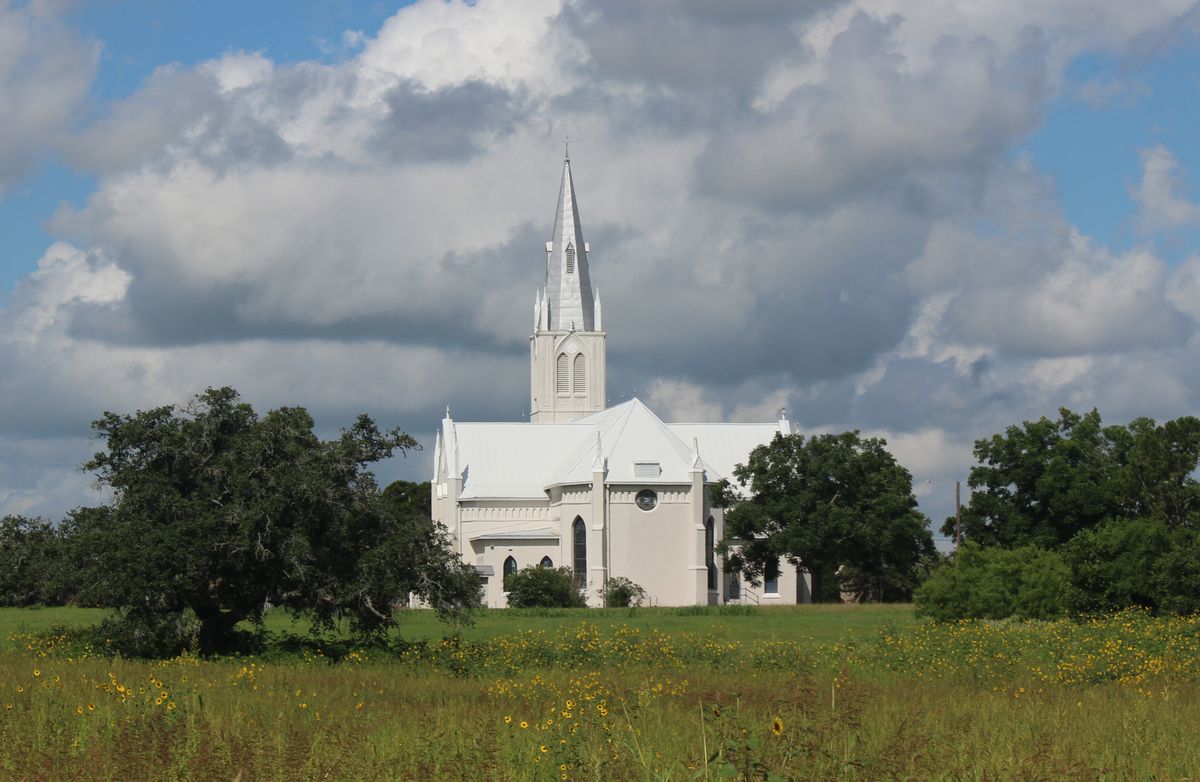
Photo by Reagan Ross on Pexels
The Sunday Bulletin Isn't the Only Thing That Needs Updating
Every week, someone on your team updates the sermon series, changes the event dates, swaps out a photo from last weekend's baptism, and fixes a broken link someone mentioned after service. It adds up. Ask any church office volunteer or part-time admin how many hours a month they spend just keeping the website current, and the answer is usually higher than anyone expects.
That time could go toward planning the next outreach event, following up with a visitor, or simply going home on time.
Where the Hours Actually Go
Most church website upkeep falls into a few repeating tasks:
- Updating service times around holidays
- Posting new sermon links or podcast episodes
- Adding and removing event pages throughout the year
- Fixing something that broke after an update nobody asked for
- Making sure the site still looks right on phones, since most visitors check from their phone before they check anything else
None of these tasks are hard on their own. But they never stop, and they usually fall on whoever is willing to figure it out — often a volunteer with no background in building websites.
What Changes When the Upkeep Disappears
A fully-managed site means someone else handles the small, constant work of keeping things current, secure, and working well on every device. Your team tells us what changed — a new sermon series, a moved potluck, a new small group leader's contact info — and it gets updated for you.
That is the real benefit: not a nicer-looking site, but fewer hours spent babysitting one.
For a
Free download: grab our church website checklist — the short, plain-English list of what your site needs to get found and bring in calls. No cost, no obligation.